
How to Store and Reheat Leftovers
Why Properly Storing and Reheating Leftovers Matters
We've all been there, you cook a big batch of something delicious, pop the leftovers in the fridge, and then completely forget about them until it's too late. Sound familiar? Properly storing and reheating your leftovers isn't just about avoiding waste (although that's a big part of it!). It's also about food safety, saving money, and making sure that Tuesday night's roast tastes just as good on Wednesday.
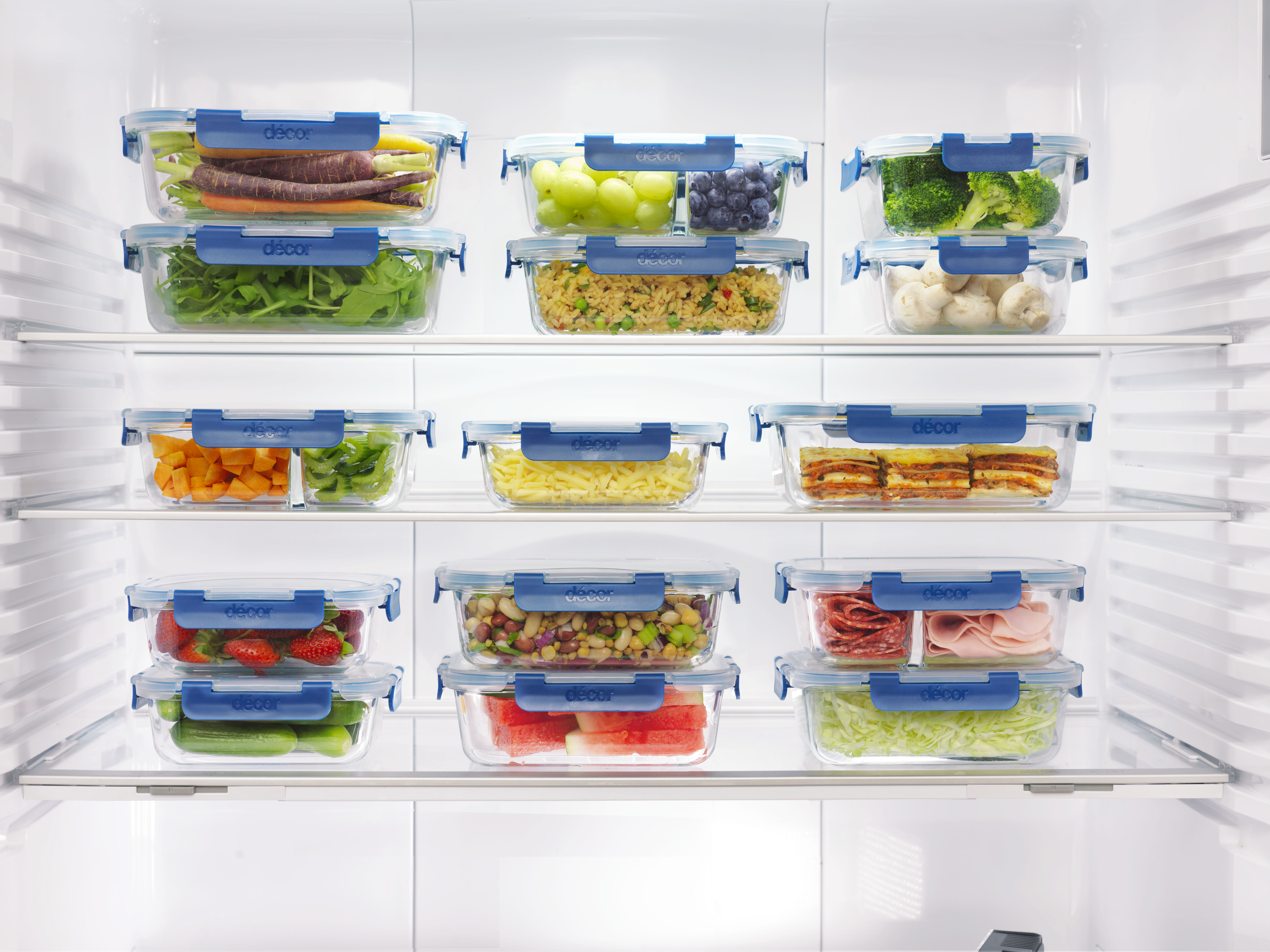
When leftovers are stored correctly, they hold onto their flavour, texture, and nutritional value far better than you might expect. With the right containers (like the ones in Décor's food storage range) keeping your meals fresh, organised, and ready to go is easier than ever.
How to Store Leftovers Safely
Cool Food Before Storing
Before anything goes into a container, give your food a chance to cool down first. Placing piping hot food straight into the fridge raises the internal temperature, which can encourage bacteria growth and create unwanted condensation inside your container. A good rule of thumb is to let food cool for no more than 30 minutes at room temperature before sealing it up and refrigerating; you want it cool but not sitting out long enough to enter the danger zone.
Use Airtight Containers
This one is non-negotiable! Airtight containers are the single best thing you can do for your leftovers. They lock in freshness, prevent odours from spreading through your fridge, and, perhaps most importantly, stop leaks in their tracks. Flimsy lids and loosely wrapped cling film just don't cut it when it comes to keeping food at its best. Investing in a quality set of Décor Food Containers means your leftovers stay fresher for longer, with none of the fuss.
Store in the Right Portions
Rather than tipping everything into one giant container, think about how you're actually going to eat it. Storing leftovers in individual or meal-sized portions means food cools down faster, reheats more evenly, and is ready to grab straight from the fridge without any extra effort. It's also a brilliant strategy for meal prep, portion out your lunches for the week on Sunday and you're already ahead of the game.
Label and Date Your Leftovers
Out of sight, out of mind, until you find something mystery-green at the back of the fridge three weeks later. Labelling your containers with the contents and the date they were stored takes about ten seconds and can save you a lot of guesswork. A simple piece of masking tape and a marker does the job perfectly or look for containers with built-in label areas for a more streamlined setup.
Know How Long Leftovers Last
As a general guide, most cooked leftovers will keep safely in the fridge for 3–4 days. In the freezer, most meals will last anywhere from 2–3 months before quality starts to decline. Foods with high water content, dairy-based dishes, and anything with eggs tend to have a shorter shelf life, so when in doubt, trust your senses. If it smells off or looks questionable, it's not worth the risk.
Best Practices for Freezing Leftovers
What Foods Freeze Well (and What Don't)
The freezer is your best friend when it comes to reducing food waste but not everything freezes equally well. Soups, stews, curries, pasta sauces, and casseroles are all brilliant candidates for freezing and often taste even better after a night in the freezer. On the other hand, foods with high water content (think cucumber, lettuce, or raw tomatoes), creamy sauces, and dishes with cooked potatoes can lose their texture significantly after freezing. When in doubt, freeze the components separately and combine when reheating.
Use Freezer-Safe Containers
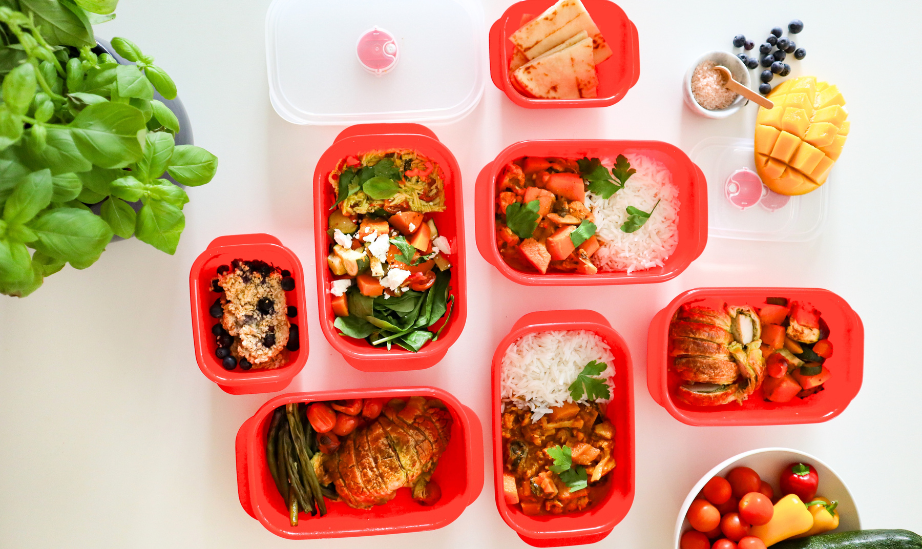
Not all containers are created equal when it comes to the freezer. You want something that's sturdy, airtight, and designed to handle low temperatures without cracking or warping. The Décor Premium Glass Clips Range is a fantastic option. Glass containers are freezer-safe, don't absorb odours or stains, and stack neatly to keep your freezer organised. Less freezer burn, more space, and no mystery smells. Everyone wins.
Leave Room for Expansion
If you're freezing liquids or anything with a high moisture content, remember to leave a little room at the top of your container. Liquids expand as they freeze, and a too-full container can end up with a cracked lid or a messy spill. A couple of centimetres of space at the top is all you need to avoid any drama.
How to Reheat Leftovers Properly
Reheating in the Microwave
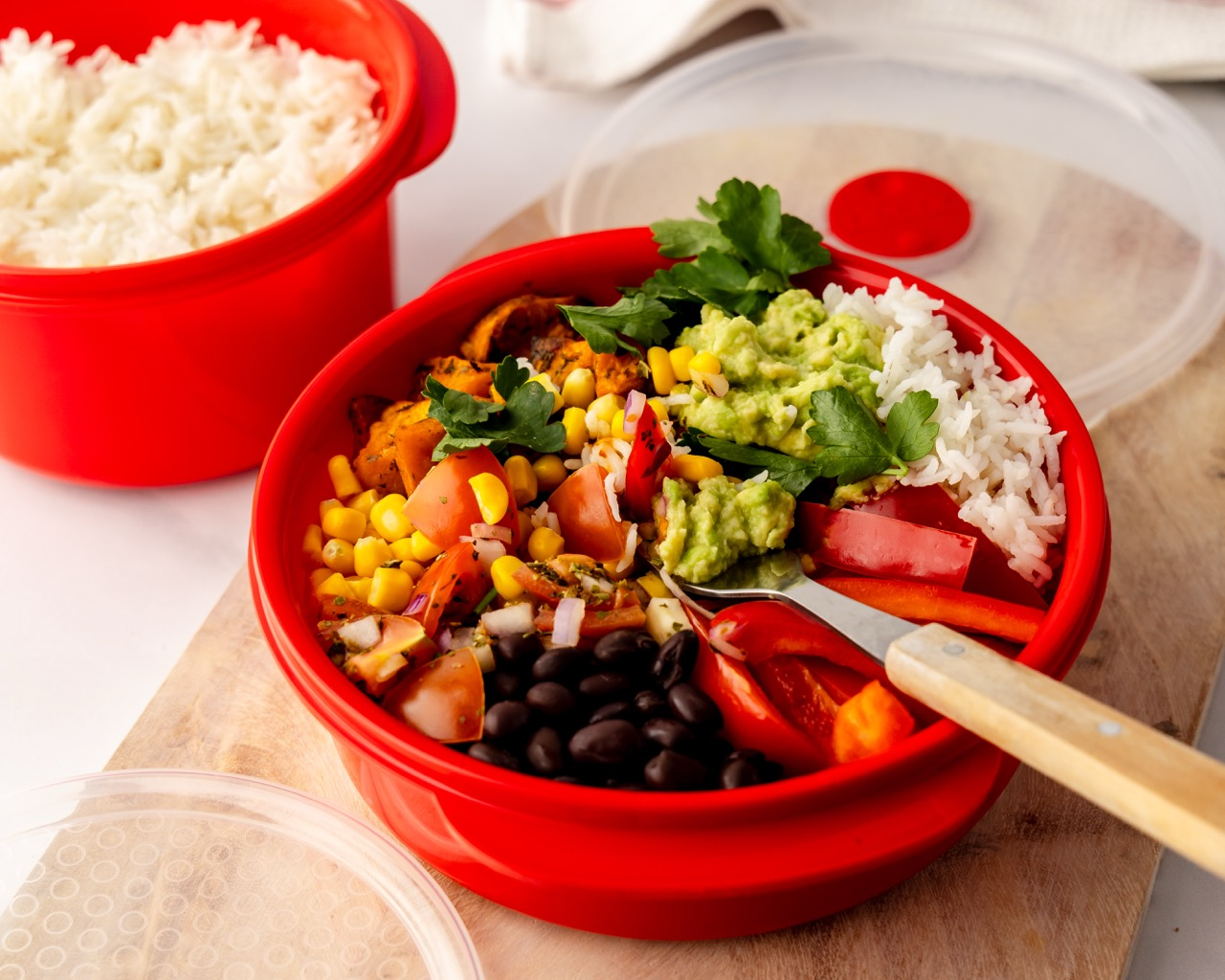
The microwave is the go-to for quick reheating, and when done right, it works brilliantly. Always use a Décor Microwavable Container to ensure even, safe heating; never microwave food in containers that aren't designed for it. Cover your food with a vented lid or microwave-safe cover to trap steam and retain moisture and stir or rotate halfway through to avoid cold spots. Nobody wants a lukewarm centre and a scorching hot edge!
Reheating on the Stove
For soups, sauces, stir-fries, and anything that benefits from a gentle, even heat, the stove is the way to go. Reheating on the stovetop gives you more control over temperature and texture, helping you avoid the rubbery or dried-out results that can sometimes come from the microwave. Use a low to medium heat, stir regularly, and add a small splash of water or stock if the dish needs a little loosening up.
Reheating in the Oven
Got a baked pasta, a casserole, or a tray of roasted vegetables to reheat? The oven is your best bet for bringing those dishes back to life without compromising their texture. Cover the dish with a lid or a layer of foil to prevent the top from drying out and reheat at a moderate temperature (around 160–180°C) until heated through. It takes a little longer, but the results are well worth the wait.
Avoid Reheating Multiple Times
One of the most important food safety rules to remember, only reheat what you're actually going to eat. Repeatedly heating and cooling food creates the ideal conditions for bacteria to multiply, which isn't great for anyone. If you've got a large batch of leftovers, take out just what you need and leave the rest safely stored until next time.
Tips to Keep Leftovers Tasting Fresh
Add Moisture Back In
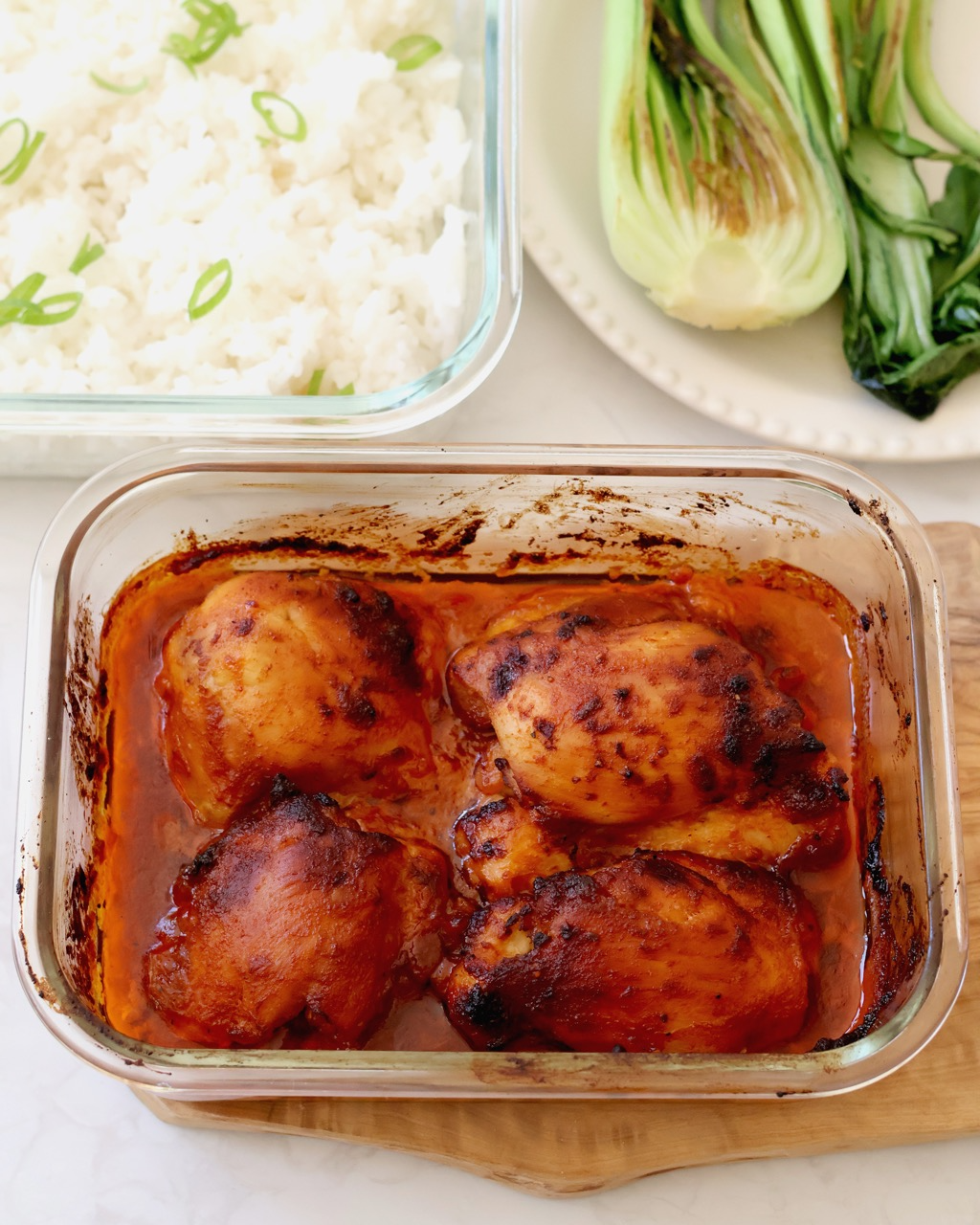
Reheated food can sometimes come out a little dry, particularly grains, pasta, and meats. The simple fix? Add a small splash of water, stock, or sauce before reheating. It makes a surprisingly big difference and brings everything back to life.
Store Sauces Separately
If you've got a dish that comes with a sauce (think pasta, curries, or stews) storing the sauce separately from the main components is a great trick for maintaining texture. Pasta that's been sitting in sauce overnight can go soggy, but kept separate, both elements stay in much better shape.
Refresh with Herbs or Seasoning
A little finishing touch goes a long way. A squeeze of lemon, a sprinkle of fresh herbs, or a pinch of salt and pepper after reheating can completely revive a dish that's been sitting in the fridge. It's a small step that makes leftovers feel like a fresh meal all over again.
Common Leftover Mistakes to Avoid
Even with the best intentions, a few common habits can undo all your good work. Here's what to watch out for:
- Storing food while it's still too hot — raises fridge temperature and encourages bacteria growth
- Using non-airtight containers — leads to dried-out food, fridge odours, and faster spoilage
- Forgetting to label and date — turns your fridge into a guessing game nobody wants to play
- Overheating or reheating unevenly — ruins texture and can leave cold spots where bacteria can survive
- Reheating the same portion multiple times — a food safety risk that's easily avoided by portioning correctly from the start
FAQs About Storing and Reheating Leftovers
How long can leftovers stay in the fridge?
Most cooked leftovers are safe in the fridge for 3–4 days when stored in an airtight container. Always use your judgement, if it smells or looks off, it's best to discard it.
Can you reheat leftovers more than once?
It's best to avoid reheating leftovers more than once. Each time food is heated and cooled, the risk of bacterial growth increases. Portion out only what you need and keep the rest stored safely.
What is the safest way to reheat food?
The safest way is to reheat food until it's steaming hot all the way through, reaching an internal temperature of at least 75°C. Stirring halfway through microwave reheating helps ensure even heating throughout.
Can all leftovers be frozen?
Not quite! Most cooked meals freeze well, but foods with high water content, creamy sauces, or cooked potatoes can lose their texture after freezing. Soups, stews, curries, and pasta sauces are particularly freezer friendly.
How do I keep leftovers from drying out?
Store leftovers in airtight containers, add a splash of liquid before reheating, and always cover food when microwaving to trap steam and retain moisture.
Make the Most of Every Meal
When it comes to leftovers, a little bit of know-how goes a really long way. The right containers, the right techniques, and a few simple habits can completely transform the way you manage food at home saving you time, money, and the guilt of throwing out a perfectly good meal.
Whether you're a dedicated meal-prepper or just trying to make last night's dinner stretch a little further, getting your storage and reheating routine right makes everyday cooking so much easier and more enjoyable.
Ready to upgrade your kitchen setup? Explore Décor's full range of food storage containers and find the perfect match for every meal, every leftover, and every occasion.